


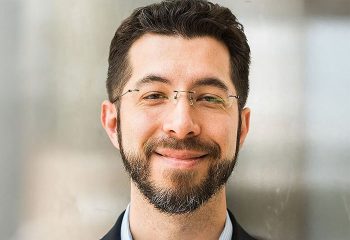
Eva Tan Professor, McGovern Institute, Massachusetts Institute of Technology (MIT); Co-director, Mindspan Institute
Professor Ed Boyden completed his undergraduate degrees in Physics and Electrical Engineering and Computer Sciences and a Master of Engineering at MIT. He completed PhD studies as a fellow in the Neurosciences Program at Stanford University. Professor Boyden joined MIT as an Assistant Professor in 2007, and is now a Professor in the Departments of Brain and Cognitive Sciences, Media Arts and Sciences, and Biological Engineering. He is also co-founder and co-director of the Mindspan Institute.
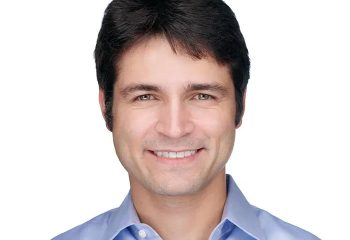
Max Delbrück Professor of Chemical Engineering & Medical Engineering, HHMI, California Institute of Technology (Caltech)
The Shapiro group develops molecular technologies for noninvasive imaging and control of cellular function, and uses these technologies to study basic biology and create cellular diagnostics and therapeutics.
Many important biological processes occur deep inside living organisms. Their study requires technologies to image and manipulate cellular and molecular function non-invasively. To develop such technologies, we pursue fundamental advances at the interface of molecular and cellular engineering with various forms of energy: acoustic, magnetic, mechanical, thermal and chemical. Our work takes advantage of naturally evolved biological structures with unique physical properties, which we use as starting points for engineering.
Our key biophysical methods include ultrasound and magnetic resonance , and our primary biological interests are in neuroscience, cancer, microbiology and immunology.
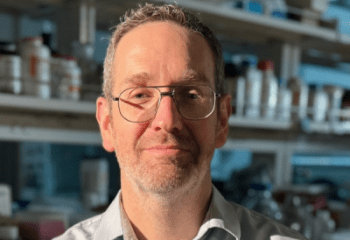
Professor, City College of New York CUNY
Prof. Marom Bikson’s research group studies the effects of electricity on the human body and applies this knowledge toward the development of medical devices and electrical safety guidelines.
“Our goal is to improve human health by combining engineering innovation, with cutting-edge experimental techniques, and original bio-medical insight. This challenge requires creative problem-solving, precision, and imagination. We are tremendously fortunate to access the extensive resources of the City University of New York research centers and of the New York Center for Biomedical Engineering hospital network.”
Specific areas of research include:
Medical devices including biosensors, drug delivery technology, and electrotherapy devices for neurological disorders.
Medical device safety including electrical hazards, electroporation, heating damage, and safe stimulation protocols.
Electrical safety, electric shock hazards, and accidental electrocution.
Understanding the neuronal networks underlying normal brain function, including the role of endogenous electric fields.
Developing new treatments for neurological diseases including epilepsy and depression, through translational research.
Prof. Bikson’s group uses a range of research and engineering design tools including cellular and animal studies, computer simulations, imaging, and clinical evaluation. Prof. Bikson’s research has received support from funding agencies including NIH (NINDS,NCI,NIGMS, NIMH), DoD (AFRL), The Andy Grove Foundation, The Wallace H. Coulter Foundation, The Epilepsy Foundation, and the Howard Hughes Medical Institute. Prof. Bikson is co-founder of Soterix Medical Inc. and Safe Toddles.
Prof. Bikson is actively involved in biomedical education including outreach to underserved groups. Prof. Bikson is founding chairman of Neuromodec and its events including the NYC-Neuromodulation conference and the Neuromodec tDCS Workshop.
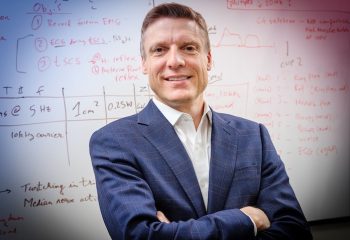
Professor, VP Advanced Engineering; Feinstein Institutes for Medical Research
Chad Bouton, PhD, spent 18 years as a research leader at Battelle, the world’s largest nonprofit research and development (R&D) organization. Before joining Northwell, he pioneered and commercialized medical technologies in the fields of BCI (brain-computer interface), cancer, diabetes, stroke recovery and paralysis. In 2014, he invented a neural bypass BCI/brain-body interface (BBI) that restores function in individuals living with paralysis as published in Nature (2016). In 2023, Dr. Bouton and his colleagues demonstrated a double neural bypass, featured in TIME magazine, integrating brain and spinal cord stimulation with AI to restore movement and sensation simultaneously. His work has also been covered by 60 Minutes, BBC, Wired Magazine, CBS, NBC, CNN, National Geographic, and many more media outlets.
A National Academy of Engineering honoree, he holds 70+ patents and has helped start and founded multiple companies including his latest, Neuvotion, in 2019. His innovations have earned three R&D 100 Awards—The Oscars of Invention, Innovator of the Year (four times), and U.S. Congress recognition for his significant contributions to medical science and technology.
Dr. Bouton received his bachelor’s degree in electrical engineering from Iowa State University, his master’s degree with honors in engineering mechanics from Iowa State University, and his PhD from the University of Warwick.
https://feinstein.northwell.edu/institutes-researchers/our-researchers/chad-bouton
Research Scientist, Coherence Neuro
Assistant Professor, Department of Electrical and Computer Engineering, Yale University
The Cea Group aims to develop soft, multifunctional devices that interface with the nervous system to enable precise, long-term interrogation and modulation of neural activity. Our goal is to create conformable, high-resolution neural interfaces that integrate electrical, optical, and chemical modalities for minimally invasive access to both central and peripheral circuits. By combining bioelectronics, materials science, and neuroscience, we seek to uncover fundamental mechanisms of neural function and brain–body communication, and to translate these insights into new therapeutic strategies for neurological, psychiatric, and systemic disorders.
https://engineering.yale.edu/research-and-faculty/faculty-directory/claudia-cea
Associate Professor, Feinstein Institutes for Medical Research
Dr. Chang is an associate professor at the Institute of Bioelectronic Medicine. He also has a dual appointment in the departments of Molecular Medicine and Psychiatry at the Zucker School of Medicine at Hofstra/Northwell. He received his bachelor’s degree from UCLA where he worked on rodent spatial memory and associative fear learning in the labs of Dr. C.R. Gallistel and Dr. Michael Fanselow. He earned his doctorate degree from the NYU Center for Neural Science, working in the lab of Dr. Patricio T. Huerta. His doctoral work focused on electrophysiological and microstructural changes in genetically modified (knock-out and knock-in) mouse models of Alzheimer’s disease. This work identified that synaptic scaling of glutamatergic AMPA receptors may be an important contributor to altered cell excitability and synaptic plasticity in neurological disorders.
Following graduate school, Dr. Chang was a Goldsmith Postdoctoral Research Fellow at the Burke Medical Research Institute, a research campus of Weill Cornell Medicine. There, he used in vivo brain recordings to show that autoantibodies targeting NMDA receptors altered hippocampal place cell firing in a mouse model of neuropsychiatric lupus. After joining the Feinstein Institutes for Medical Research, Dr. Chang became a member of the Psychiatry Research division at Zucker Hillside Hospital working with Dr. Anil Malhotra as a BBRF Young Investigator. He then published the first ever study combining DTI and CLARITY to examine the ground truth of brain white matter mapping. DTI is a widely used noninvasive imaging technique that has identified abnormal brain connectivity in patients with psychiatric disorders.
Currently, Dr. Chang’s research focuses on the electrophysiological and neurochemical bases of communication between the brain and the body. Working with Dr. Kevin Tracey, he hopes to understand how physiological and immune responses are encoded by neural signals within peripheral nerves, sensory neurons, and brainstem nuclei.
https://feinstein.northwell.edu/institutes-researchers/our-researchers/eric-h-chang-phd
Professor, Department of Biomedical Engineering, Washington University in St. Louis
Professor Hong Chen joined Washington University in St. Louis in July 2015. She earned her Ph.D. degree in Bioengineering from the University of Washington in 2011. After graduation, she worked as a senior fellow in the School of Medicine at the University of Washington. From 2012 to 2015, she was a postdoctoral research scientist in the Department of Biomedical Engineering at Columbia University.
Professor, Department of Medicine, University of Toronto / University Health Network
Our laboratory is currently investigating the organization of cortical inhibitory and excitatory pathways in the human motor cortex, cortical plasticity, pathophysiology of movement disorders such as Parkinson disease and dystonia, the mechanisms of action of deep brain stimulation inhibitory functions of the basal ganglia and development of novel neuromodulation methods.
The techniques used include single pulse, paired pulse and repetitive transcranial magnetic stimulation, transcranial focused ultrasound (FUS), functional magnetic resonance imaging (MRI), electroencephalographic (EEG) recordings of cortical rhythms and movement-related cortical potentials, magnetoencephalography (MEG) and recordings of local field potentials from deep brain stimulation electrodes in the basal ganglia.
Professor, Department of Biomedical Engineering, University of Michigan
Dr. Chestek’s research focuses on brain machine interface (BMI) systems using 100 channel arrays implanted in motor and pre-motor cortex. The goal of this research is to eventually develop clinically viable systems to enable paralyzed individuals to control prosthetic limbs, as well as their own limbs using functional electrical stimulation and assistive exoskeletons. To move towards arm control, she is particularly interested in algorithms that better model the non-linear relationship between neural activity and the complex biomechanics of the arm. Other research areas include developing mitigation strategies for non-stationarities in neural recordings over time, and implantable wireless systems. Such systems can eliminate the transcutaneous infection risk associated with current BMIs, as well as expand the number of independent channels in the neural interface. She also works on nerve controlled prosthetic hands, which is currently in initial clinical trials. Finally, her lab develops tiny electrode arrays made of carbon fiber that are smaller than neurons themselves, which could dramatically improve the performance of these neuroprosthetic systems in the future.
Professor, Department of Immunology, Harvard Medical School
Isaac Chiu is a Professor of Immunology at Harvard Medical School. He received his undergraduate degree in Biochemistry at Harvard College in 2002. During that time, he worked with Professor Jack L. Strominger on MHCI trafficking in B cells and at the immune synapse. He received a PhD in Immunology at Harvard Medical School in 2009, where he worked with Dr. Michael Carroll on defining the roles of neuroimmune interactions in Amyotrophic Lateral Sclerosis (ALS). He did a first postdoctoral fellowship with Dr. Tom Maniatis in the Department of Molecular and Cell Biology at Harvard University, working on transcriptional profiling of microglia. He then joined the lab of Professor Clifford Woolf at Boston Children’s Hospital in the FM kirby Neurobiology Center for a postdoctoral fellowship, where he discovered that bacterial pathogens directly activate nociceptive sensory neurons to produce pain and induce neuroimmune modulation of host defense.
Dr. Chiu started his faculty position at Harvard medical school in the Department of Immunology as Assistant Professor in 2014, was promoted to Associate professor in 2021, and to Professor in 2024. Dr. Chiu’s research focuses on interactions between the nervous and immune system in pain, host defense and immunity. His lab has shown that sensory neurons directly sense bacterial mediators and immune mediators to produce pain and itch. Nociceptors signal to macrophages, neutrophils and T cells via neuropeptides including calcitonin gene-related peptide (CGRP) to mediate immunity in the skin, gut, and lungs. His lab has uncovered mechanisms by which bacteria invade the meninges and brain, and the role of gasdermins in CNS degeneration. He has received an NIH Director’s New Innovator Award, Burroughs Wellcome Fund Investigators in the Pathogenesis of Infectious Disease Award, and Chan-Zuckerberg Initiative Ben Barres Early Career Award.
Director of Research Funding Operations, Focused Ultrasound Foundation
Carena Cornelssen, PhD is the Director of Research Funding Operations at the Focused Ultrasound Foundation. In this role, she is responsible for the Foundation’s research funding intake and contract coordination processes. Carena brings over 10 years of experience managing complex research projects, including medical device and drug development projects spanning both preclinical and clinical studies. Carena earned her PhD in Biomedical Engineering from the University of Utah in 2024, where she was an NSF Graduate Research Fellowship Program Fellow. Her doctoral research centered on neuromodulation focused ultrasound and MR-guided focused ultrasound for the treatment of neurological disorders. Carena is passionate about the commercialization and clinical application of focused ultrasound to advance patient treatment options.
https://www.fusfoundation.org/the-foundation/our-team/?tab=0&teamMember=carena-cornelssen-phd
Senior Researcher & Theme Leader, Stevens Group, Kavli Institute for Nanoscience Discovery; University of Oxford
Dr. Adam Creamer is a senior researcher in the group lead by Prof. Dame Molly Stevens at The University of Oxford. He completed his PhD in Chemistry from Imperial College London and joined the Stevens group in 2018. Adam oversees the diagnostics research in the group and his work particularly focuses on novel nanoparticle and protein engineering for point-of-care diagnostics and fluorescent bioimaging.
https://www.stevensgroup.org/team-overview/dr-adam-creamer
Executive Chairman, Novocure
William Doyle has served as our Executive Chairman since 2016, as Chairman of the Board since 2009 and as a member of our Board of Directors since 2004. Mr. Doyle has been the managing director of WFD Ventures LLC, a private venture capital firm he co-founded, since 2002. Prior to 2002, Mr. Doyle was a member of Johnson & Johnson’s Medical Devices and Diagnostics Group Operating Committee and was Vice President, Licensing and Acquisitions. While at Johnson & Johnson, Mr. Doyle was also chairman of the Medical Devices Research and Development Council, and Worldwide president of Biosense-Webster, Inc. and a member of the board of directors of Cordis Corporation and Johnson & Johnson Development Corporation, Johnson & Johnson’s venture capital subsidiary. Earlier in his career, Mr. Doyle was a management consultant in the healthcare group of McKinsey & Company. Mr. Doyle is also a member of the Governing Board of the Pershing Square Sohn Cancer Research Alliance.
Mr. Doyle holds an S.B. in materials science and engineering from the Massachusetts Institute of Technology and an M.B.A. from Harvard Business School. Mr. Doyle serves on Harvard Business School’s Board of Dean’s Advisors and MIT’s Institute of Medical Engineering & Science Visiting Committee.
Mr. Doyle has been a director of ProKidney, Inc. since 2022 and has previously served as a director of Optinose, Inc. from 2004 to 2020; Minerva Neurosciences, Inc. from 2017 to 2023 and Elanco Animal Health from 2020 to 2025.
https://www.novocure.com/about-us/our-leadership/our-leader/william-f-doyle
SVP of Brain Computer Interfaces, Blackrock NeuroTech
Rob earned his PhD from the University of Michigan in Ann Arbor where he developed electrodes for in vivo neurotransmitter sensing. Following his PhD studies, Rob began his work at Blackrock Microsystems where he has directed a team of engineers in the design and development of implantable, wireless neural interface electronics and novel silicon electrodes for recording and stimulation in the brain. His deep technical understanding and solution-oriented engineering approach has put him at the core of the clinical translation activities.
Founder and Managing Partner, Northwell Health Equity Partners (NHEP)
Cliff Friedman is Founder and Managing Partner of Northwell Health Equity Partners (NHEP). Mr. Friedman formerly served as Chairperson of Huntington Hospital from April 2021 to April 2025 and continues as Chairperson Emeritus. Other roles have included: Northwell Health System Board of Trustees Director and Community Advisory Board Member (2012-2024); Member of the Northwell Investment Committee, a subcommittee of the Finance Committee of the Northwell Board; and Chairperson of the Private Equity Investment Sub-Committee.
As Chairperson of the Private Equity Investment Sub-Committee, Mr. Friedman led the development and execution of the investment strategy used to deliver performance and grow the Northwell private equity portfolio from $25 million into an over $1.3 billion portfolio with GP investments in Buy-Out, PE, growth, venture and secondary funds, co-investments and direct secondaries, and a GP economic stake. Mr. Friedman also served on several fund advisory boards for Northwell’s private equity portfolio.
Mr. Friedman’s unique Northwell board roles during 15 years of transformation and his work on the Northwell private equity portfolio were instrumental in designing NHEP’s strategy to deliver target returns on capital invested, while simultaneously helping to accelerate healthcare transformation.
Prior to his endeavors with Northwell Health, Mr. Friedman filled roles ranging from Chairman to CEO, Founder, Entrepreneur, Board Member, Lead Investor and various senior executive operational positions. He has 40 years of experience in private equity, venture capital, and investment management, with a focus on Media, Communications, Technology, FinTech, and Healthcare. He has served on over 35 private and public corporate Boards, raised capital and supported strategic negotiations both nationally and internationally in countries including the UK, Italy, Spain, Japan, Sweden, Germany, France, Brazil, Mexico and 7 GCC (Gulf Cooperation Counsel) countries. He has a proven record of value creation through a systematic process of working with management teams, board members, and customers, which he leverages to create and negotiate strategic partnerships globally while driving revenue and profitability that positions companies for successful liquidity events for all stakeholders.
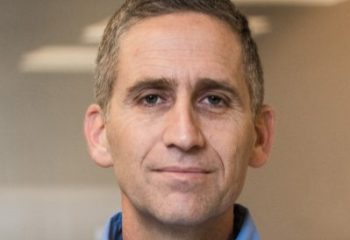
Chief Science Officer, Novocure
Moshe Giladi currently serves as Novocure’s Chief Science Officer, where he oversees Novocure’s preclinical research organization and manages external research partnerships and Novocure’s biostatistics and data management teams. Mr. Giladi joined Novocure in 2005 and most recently held the title of Senior Vice President of Preclinical Research, overseeing a team dedicated to deepening understanding and driving acceptance of Tumor Treating Fields therapy. He holds a Ph.D. in Microbiology and Biochemistry and a master’s degree in business administration from Tel Aviv University.
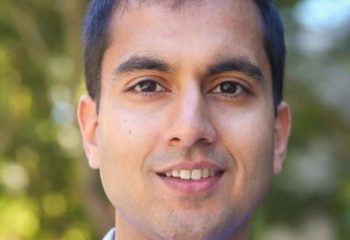
Chief Scientific Officer, Paradromics; Associate Professor, UC San Diego
Dr. Gilja’s research focuses on brain-machine interfaces (BMIs) with a specific interest in translating basic research into clinical applications. Using statistical signal processing, machine learning and real-time embedded systems, he develops BMIs that effectively use neural signals to control prosthetic devices for individuals with paralysis and neurodegenerative disease.
More generally, he is interested in the development of diagnostic and therapeutic methods that leverage novel techniques and insights from neuroscience to better understand and address neurological and psychological disorders. His approach uses large scale datasets and closed loop control experiments with a variety of neural measurement techniques, including functional imaging and electrophysiology.
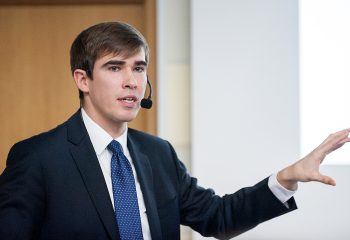
Professor, Research Group Leader, CEITEC
Professor Eric Daniel Glowacki studied chemistry at the University of Rochester in the USA, where he obtained both his bachelor’s and master’s degrees in materials chemistry in 2009. His early work focused on optical and optoelectronic materials. At the same time, he studied the history of Central Europe, earning a second degree in 2009 as part of a dual study program.
He completed his PhD in chemistry in 2013 at Johannes Kepler University in Linz, Austria, where he specialized in bioelectronics and flexible electronic devices. He continued in Linz as a postdoctoral researcher (2013–2016), during which his research gradually shifted toward electrophysiology, particularly optoelectronic stimulation of excitable cells.
In 2016, he received the Wallenberg Molecular Medicine Fellowship, which allowed him to establish his own independent research group at Linköping University in Sweden. There, his team focused on the development of devices for nervous system stimulation as well as the generation of reactive oxygen species. These two research areas — stimulation devices and electro-/photochemistry of reactive oxygen species — form the core of his scientific interests.
In 2020, he was awarded a European Research Council (ERC) Starting Grant, which enabled him to move to Brno and establish a new bioelectronics research group at CEITEC Brno University of Technology. Eric is interested in neural interface technologies and bioelectronic medicine, as well as fundamental research in electrophysiology.
https://www.ceitec.eu/about-eric-glowacki/t11721?secret=e79375ea-1d28-11f1-bc9a-e61bb4413dd3
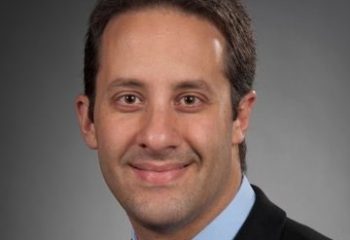
Vice Chair for Education and System Chief, Professor of Surgery and Science Education; Northwell Health
Dr. Jared M. Huston is an assistant professor at The Feinstein Institutes for Medical Research. He is also an associate professor of surgery and science education at the Zucker School of Medicine and an attending in the Division of Trauma and Acute Care Surgery at Northwell Health. Dr. Huston serves as the director of Trauma Research for the Department of Surgery.
Prior to joining Northwell Health, Dr. Huston served as an assistant professor of Surgery in the Division of General Surgery, Trauma, Surgical Critical Care and Burns at Stony Brook Medicine. He was also the director of the Laboratory of Surgical Immunology within the Department of Surgery.
The focus of Dr. Huston’s research group is to understand how the central nervous system maintains homeostasis and protects against traumatic injury. Trauma is a leading cause of death and disability around the world. Two of the most dangerous complications following traumatic injury include bleeding and infection. In the United States, the most common preventable cause of death following civilian traumatic injury is uncontrolled hemorrhage. Therapies to improve hemostasis following injury remain limited.
Based on the work of Dr. Kevin Tracey, it is known that the brain monitors and regulates systemic inflammation through the vagus nerve. This pathway is termed the inflammatory reflex, and is comprised of afferent and efferent vagus nerve signaling. The efferent arm of this endogenous neural reflex, referred to as the cholinergic anti-inflammatory pathway, signals through the abdominal vagus nerve and the splenic nerve to target the spleen. Vagus nerve signaling results in release of acetylcholine from a specific subset of T-lymphocytes in the spleen. Acetylcholine can down-regulate pro-inflammatory cytokine production by stimulating the alpha 7 nicotinic acetylcholine receptor subunit on the surface of tissue macrophages. Activation of the cholinergic anti-inflammatory pathway via electrical or mechanical stimulation of the cervical vagus nerve, or via administration of a pharmacological cholinergic agonist, has been shown to prevent lethal organ injury in multiple models of systemic inflammation, shock and sepsis.
Recently, we reported that activation of the inflammatory reflex inhibits experimental post-traumatic hemorrhage. Electrical vagus nerve stimulation significantly reduces total blood loss and time to cessation of bleeding following peripheral soft tissue injury in swine. Vagus nerve stimulation accelerates clot formation specifically at the site of tissue injury. These findings have been replicated in small animal models of both soft tissue and visceral traumatic hemorrhage. Dr. Huston’s research group is currently investigating the mechanisms underlying these findings, with the hope of translating the beneficial effects of vagus nerve stimulation into the clinical arena to improve care of traumatized patients.
https://feinstein.northwell.edu/institutes-researchers/our-researchers/jared-m-huston-md-facs
Assistant Professor, Department of Physiology, University of Arizona College of Medicine
M. Maya Kaelberer, PhD is a sensory neuro-gastroenterologist whose research focuses on the intricate connection between the brain and the gut. Her laboratory is dedicated to pioneering a new understanding of how the gut senses and responds to the complex composition of food—moving beyond traditional concepts such as calorie counting.
Dr. Kaelberer’s work centers on the relationship between the vagus nerve and specialized gut sensory cells known as neuropod cells. These cells may hold the key to deciphering the “nutritional code” by which the gut identifies and reacts to specific nutrients, shaping food preferences and potentially influencing long-term health outcomes.
Using a cutting-edge suite of experimental techniques, her research maps the diverse array of nutrient receptors and signaling pathways within neuropod cells. Her team investigates how these cells distinguish among different types of sugars, fats, proteins, vitamins, and minerals, and how this information is communicated to the brain.
This work has profound implications for understanding how the body processes food and may lead to innovative strategies for addressing diet-related diseases by targeting gut–brain communication pathways.
Senior Postdoctoral Researcher, King's College
Gretel Kamm completed her PhD in Biology at the University of Buenos Aires, where she studied human brain evolution. She then pursued postdoctoral research in interoception, exploring how the brain senses and represents the body’s internal states. At the University of Heidelberg and the European Molecular Biology Laboratory (EMBL), she investigated how the brain regulates temperature and generates a sickness state during acute inflammation. She is currently a senior postdoctoral researcher in Dr. Hadjichambi Group at King’s College London and the Liver Research Foundation, where her work focuses on the liver-brain axis and how liver dysfunction affects cognition.
https://scholar.google.co.uk/citations?hl=es&user=enjoP5MAAAAJ&inst=15159612047463182172
Chief Medical Officer, Cognito Therapeutics
Ralph Kern MD MHSc is currently Chief Medical Officer at Cognito Therapeutics. Previously he was President and Chief Medical Officer at BrainStorm Cell Therapeutics. Prior industry experience includes SVP and head of the global medical organization at Biogen; VP and head of the US Neuroscience Medical Unit at Novartis; and General Manager of the Fabrazyme biologics franchise at Genzyme.
Prior to joining the biotechnology industry, Ralph was head of the academic neurology program at the University of Toronto and led the clinical neurophysiology department at Mount Sinai Hospital in Toronto.
Ralph completed undergraduate education in neurophysiology at McGill University in Montreal Quebec, an MD from Queens’ University in Kingston Ontario, post-graduate neurology training at McGill University and the University College London UK, as well as a research fellowship in pediatric epilepsy and EEG at the Hospital for Sick Children in Toronto. Ralph completed the MHSc program in Health Administration from the Institute of Health Policy Management and Evaluation at the University of Toronto in 2003.
Chief Biotechnology Officer, VP, Northwell; Robin and Jack Ross Chair of Bioelectronic Medicine & Neuroimmunology; Feinstein Institutes for Medical Research
Dr. Brian Kim is the Robin and Jack Ross Chair of Bioelectronic Medicine & Neuroimmunology and serves as Vice President and Chief Biotechnology Officer at the Feinstein Institutes for Medical Research and Northwell Health. He also leads the Allen Discovery Center for Neuroimmune Interactions, a multi-institutional program funded by Allen Family Philanthropies. Dr. Kim has authored more than 190 peer-reviewed publications, maintained continuous NIH funding, and led pivotal clinical trials that contributed to novel FDA-approved therapies. An inventor and entrepreneur, he is co-founder of Alys Pharmaceuticals, Neurommune Therapeutics, and Attu Therapeutics. His honors include the Marion B. Sulzberger Award, the Stephen I. Katz Lectureship, the Donald Y. M. Leung Award, and the American Skin Association Research Achievement Award in Discovery.
In addition to >180 peer-reviewed publications in top journals such as Cell, Nature, Science, New England Journal of Medicine, and Journal of the American Medical Association, Dr. Kim has multiple grants from National Institutes of Health (NIH) including the first T32 grant in the history of Mount Sinai Dermatology. He is also supported by the Allen Discovery Center program, a Paul G. Allen Frontiers Group advised program of the Paul G. Allen Family Foundation. He is the recipient of numerous honors and awards including the American Dermatological Association Young Leadership Award in 2019, American Skin Association Research Achievement Award in Discovery in 2020, Stephen I Katz, MD, PhD International Lectureship Award in 2022, Donald Y. M. Leung, MD, PhD-JACI Editors Lectureship and Faculty Development Award in 2024, Marion B. Sulzberger, MD Research Award and Lectureship in 2024, and Otto Braun-Falco Memorial Lecture Award in 2024. He was inducted into the American Society for Clinical Investigation in 2022 and the American Dermatological Association in 2023.
Chief, Psychiatric Neuromodulation Service, Veterans Affairs Medical Center; Professor, Department of Neurology, Georgetown University School of Medicine
Mary Lee, MD, is a physician-scientist at the US Department of Veterans Affairs (VA) Washington DC VA Medical Center. She is trained in internal medicine and psychiatry, with a specialty in addiction medicine. Prior to joining the VA, she spent 15 years at the National Institutes of Health (NIH) Intramural Program, where she conducted transcranial magnetic stimulation (TMS) research for alcohol use disorder and cocaine use disorder. She is now investigating the use of focused ultrasound for the treatment of addiction – namely tobacco use and opioid use – as well as for anxiety and chronic pain.
Clinical Professor, Department of Anesthesiology, UC San Diego Health
As a professor in both the Electrical and Computer Engineering and Anesthesiology Departments at the UC San Diego School of Medicine, Dr. Lerman carries out numerous clinical trials at UC San Diego Medical Center, the Altman Clinical Trial Research Institute, the VA San Diego Healthcare System, the Radiology Imaging Center and in the Jacobs Medical Center. His program is primarily funded by the VA Healthcare System, BARDA, DARPA, and generous foundation support. His work centers on neural sensing technology development (magnetometers, novel electrode arrays), and impact of neural stimulation technologies (e.g. spinal cord stimulation, vagal nerve stimulation, and other central and peripheral nerve stimulation)on inflammation, pain, learning and mental health disorders.
He uses techniques such as functional magnetic resonance imaging (fMRI) magnetoencephalography (MEG), Magnetospinography, (MSG) ; inflammatory profiling of cerebrospinal fluid and peripheral blood; and high resolution evaluation of peripheral autonomic nervous system to better understand the interplay between pain and inflammation in the central and peripheral nervous system, in both healthy and disease states.
Dr. Lerman completed a research fellowship through the Center for Stress and Mental Health at the VA San Diego; his clinical fellowship in pain management at Massachusetts General Hospital and his neurology residency at Yale School of Medicine. He earned his medical degree from Georgetown University School of Medicine, where he also obtained a master’s degree in physiology and biophysics. He is triple board certified in neurology, pain medicine and headache medicine (United Council for Neurologic Subspecialties).
Dr. Lerman is a founding board member of the American Interventional Headache Society, faculty and founding member of the Regenerative Medicine special interest group within the American Society of Regional Anesthesiology and Pain Medicine, and faculty member for the World Academy of Pain Medicine Ultrasonography.
Professor, Department of Cell Biology; HHMI Investigator, Harvard Medical School
Stephen Liberles, Ph.D. is a Professor and HHMI Investigator in the Cell Biology Department at Harvard Medical School. Dr. Liberles received an undergraduate degree in Chemistry from Harvard in 1994, and a Ph.D. in Chemistry and Chemical Biology from Harvard in 1999, working in the lab of Stuart Schreiber. He then performed post-doctoral work in the lab of Linda Buck, first at Harvard Medical School and then at the Fred Hutchinson Cancer Research Center in Seattle.
The Liberles Lab focuses on the molecular neuroscience of sensory systems, including olfaction, pheromone sensing, taste, and internal organ senses of the vagus nerve. Some discoveries from his lab include characterizing non-classical families of olfactory receptors, odors and pheromones that stimulate innate behaviors, vagus nerve cell types that selectively control autonomic physiology, and mechanisms underlying sensation within internal organs, including airway stretch and changes in aortic blood pressure.
https://cellbio.hms.harvard.edu/faculty-staff/stephen-liberles
Professor, Department of Biomedical Engineering & Otolaryngology, University of Minnesota
Hubert Lim, PhD is a Professor of Biomedical Engineering and Otolaryngology at the University of Minnesota. He is also an Institute for Translational Neuroscience Scholar, Endowed Lions Professor in Otolaryngology, Bakken Professor for Engineering in Medicine, Director of the Bakken Medical Devices Center, and Co-Director of the Center for Neural Engineering.
Beyond his academic roles, Dr. Lim is actively engaged in translational innovation and entrepreneurship. He serves as Chief Scientific Officer of Neuromod Devices, developing device-based treatments for tinnitus; Chief Scientific Officer of SecondWave Systems, advancing wearable phased-array ultrasound technologies for a range of health conditions; and Chief Technology Officer of NeoAcoustics, focused on novel hearing technologies.
His research expertise spans neural engineering, neuromodulation technologies, sensory neuroscience, neural plasticity, neuro-immune physiology, and integrative health approaches. His work centers on developing next-generation stimulation therapies for hearing disorders, pain, and inflammatory conditions through close collaboration with clinicians and industry partners.
Dr. Lim earned his B.S.E. in Bioengineering from UC San Diego. He completed his graduate training at University of Michigan, where he received a Master’s degree in Biomedical Engineering, a Master’s degree in Electrical Engineering and Computer Science, and a Ph.D. in Biomedical Engineering.
Assistant Professor, School of Engineering and Applied Sciences, Harvard University
Professor Liu received his PhD in Chemistry from Harvard University in 2014, after which he completed postdoctoral research at Stanford University from 2015-2018. He joined the faculty at the Harvard School of Engineering and Applied Sciences as an Assistant Professor in 2019. At Harvard University, Professor Liu’s lab focuses on the development of soft bioelectronics, cyborg engineering, genetic/genomic engineering, and computational tools for addressing questions in brain-machine interfaces, neuroscience, cardiac diseases, and developmental disorders.
Professor Liu has pioneered in bioelectronics where he developed new paradigms for soft electronic materials and nanoelectronics architectures for “tissue-like electronics”, as well as their applications for long-term stable brain-machine interface, high-density cardiac mapping, stem cell maturation, and multimodal spatial biology. He is also the cofounder and scientific advisor of Axoft, Inc., a brain-machine interface company.
Vice President, Strategy; HuMannity Medtec
Dr. Mech, is the Vice President, Strategy for huMannity (formerly Alfred Mann Foundation). He has spent over 22 years in the medical device field, including 16 years at Second Sight Medical Products and 4+ years at Toronto-based eSight Corp. before settling into a broader consulting role following his move to the Twin Cities area in 2019. Brian has an undergraduate degree in Engineering Science (1991) and a PhD in Materials Science and Plasma Physics (1997) from the University of Toronto, and an MBA from UCLA’s Anderson School of Management (2003). Brian is an inventor on over 50 US patents.Mr. Mech, is the Vice President, Strategy for huMannity (formerly Alfred Mann Foundation). He has spent over 22 years in the medical device field, including 16 years at Second Sight Medical Products and 4+ years at Toronto-based eSight Corp. before settling into a broader consulting role following his move to the Twin Cities area in 2019. Brian has an undergraduate degree in Engineering Science (1991) and a PhD in Materials Science and Plasma Physics (1997) from the University of Toronto, and an MBA from UCLA’s Anderson School of Management (2003). Brian is an inventor on over 50 US patents.
Principal Scientist, IMEC
Vojkan Mihajlović is a Principal Member of Technical Staff at Stichting IMEC Nederland. He received the Ph.D. degree in computer science from the University of Twente in 2002. He has more than 15 years of experience in the domain of neuromodulation technologies and applications. The first five years include experience within Philips Research (2008 – 2012), where he focused on algorithms and methods for improving signal integrity in EEG recordings. He has been leading the Wearable Brain Monitoring work package at Stichting IMEC Nederland (2016-2021), after which he fused on the creation of a roadmap on the selective peripheral nerve stimulation and establishing a research team to explore and develop required technology solutions. He is currently active as a technical lead for neuro applications and coordinates health innovation activities within Stichting IMEC Nederland. He has ample experience in the neuromodulation area, both in terms of technology innovation and applications, but also in coordinating and managing projects, and steering innovation activities in the health domain. He has authored more than 80 peer reviewed publications and holds 15 patents.
https://www.imec-int.com/en/articles/pills-pulses-electrifying-medicine-using-peripheral-nervous-system

Chief Technology Officer, Co-Founder, Attune Neurosciences
Dr. Keith Murphy received his training in neuroscience and behavioral genetics at the Scripps Research Institute. During his time at Scripps, he developed high-throughput tools for monitoring animal behavior during optogenetic and transgenic manipulations of discrete brain circuits. Keith then joined Stanford University as a postdoctoral fellow supported by the Ruth L. Kirschstein National Research Service Award, studying the vagus nerve and its role in sleep regulation. There, he developed the first system integrating deep-brain optical recordings of neuronal activity with ultrasound neuromodulation in freely behaving animals, enabling precise circuit control and monitoring of brain activity during natural behavior. Using this tool, he demonstrated cell type-specific effects, optimized protocols for arousal, sleep, and walking behaviors, and provided preclinical evidence of epileptiform suppression. Keith currently serves as the Co-founder and CTO of Attune Neurosciences developing next-generation lightweight wearable devices with bilateral, multi-element, electronically steered arrays. He leads the scientific investigation of neuropathic and psychiatric conditions, cognitive enhancement, and innovations enabling powerful ultrasound therapies in a wearable form factor. Attune has received support from leading investment groups, the NIH, and the US military. Keith continues to contribute to the open ultrasound neuromodulation community through his leadership in the ITRUSST practical guide, the creation of open-source software, and his collaboration with Dr. Kim Butts Pauly in developing the first open-access ultrasound neuromodulation course at Stanford University.
Professor, Department of Medicine, Bioelectronic Medicine, Karolinska Institutet
Peder Olofsson is Head of Division of Cardiovascular Medicine, Department of Medicine at Karolinska Institutet. He is trained in anesthesiology and intensive care medicine at the Karolinska University Hospital in Stockholm and is a Diplomate of the European Academy of Anesthesiology and Intensive Care Medicine with more than 10 years of clinical experience. He also holds a PhD in experimental medicine from the Karolinska Institutet and is a research leader for the team in Neural regulation of inflammation.
https://ki.se/en/people/peder-olofsson
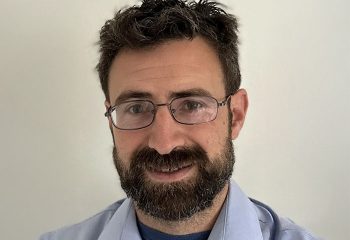
Associate Professor, Rensselaer Polytechnic Institute (RPI)
Chris is an Associate Professor (Biomedical Engineering) at Rensselaer Polytechnic Institute (RPI) in Troy, NY. Chris was originally a RPI graduate (Biomedical Engineering, ’03) and then received a PhD in Biomedical Engineering from Johns Hopkins Medical School in 2009. Chris’ graduate work was in the BioMEMS lab of Jeff Wang and focused on combining microfluidics and single molecule imaging techniques for diagnostics. Since graduating, Chris has worked at General Electric’s corporate research center on both private and government healthcare related projects. For the last 8 years at GE Chris has pioneered ultrasound-based neuromodulation therapies with his teams, applying these new tools to combat chronic diseases (such as type 2 diabetes) in both pre-clinical and clinical trials. Chris is an inventor on 40+ granted patents and has 40+ peer-reviewed publications. As a principal investigator, Chris has led GE, NIH, DTRA, DARPA, Navy/MTEC, and BARDA-funded teams and his ultrasound therapy team won the phase 1 and 2a NIH Neuromod prize.
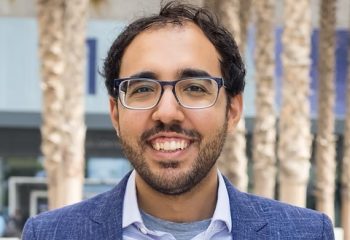
Assistant Professor, Tandon School of Engineering, New York University
Prof. Khalil Ramadi is an Assistant Professor of Bioengineering at NYU, and Director of the Laboratory for Advanced Neuroengineering and Translational Medicine (LANTRN). He is an affiliated Professor of Radiology at NYU Langone Health and Grossman School of Medicine, and Co-Director of the NYU Abu Dhabi Center for Translational Medical Devices (CENTMED). Prior to his faculty appointments, he was a NIH Ruth L. Kirschstein F32 postdoctoral fellow at the Massachusetts Institute of Technology (MIT). Dr. Ramadi obtained his PhD in Biomedical Engineering from MIT and Harvard Medical School. Dr. Ramadi’s research centers on developing technologies that solve clinical problems and advance human health. His lab works on ingestible electronic pills and implantable devices for drug delivery and neuromodulation. Dr. Ramadi is a board member and former Co-Director of MIT Hacking Medicine, a group dedicated to enabling multi-disciplinary health entrepreneurship worldwide, spawning 50+ companies andraising $250M+ in funding. He has advised over 50 early-stage companies as a faculty mentor in the MIT Sandbox, MIT IDEA2 Global Incubator, and MIT-UM6P Explorer/Acceleratorprograms. He has been named a TED fellow, CIFAR global scholar, Forbes 30 Under 30, MIT Technology Review Innovator Under 35 (MENA), and has received honors including the BMES Career Development Award and a NASA Aeronautics Scholarship.
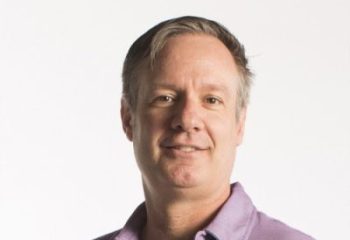
Chair, Department of Biomedical Engineering; Vikram S. Pandit Professor of Biomedical Engineering, Columbia University
Paul Sajda is interested in what happens in our brains when we make a rapid decision and, conversely, what processes and representations in our brains drive our underlying preferences and choices, particularly when we are under time pressure.
His work in understanding the basic principles of rapid decision-making in the human brain relies on measuring human subject behavior simultaneously with cognitive and physiological state.
Important in his approach is his use of machine learning and data analytics to fuse these measurements for predicting behavior and infer brain responses to stimuli. Sajda applies the basic principles he uncovers to construct real-time brain-computer interfaces that are aimed at improving interactions between humans and machines. He is also applying his methodology to understand how deficits in rapid decision-making may underlie and be diagnostic of many types of psychiatric diseases and mental illnesses.
Of particular interest to Sajda is how different areas in the human brain interact to change our arousal state and modulate our decision-making. Specifically he is using simultaneous EEG and fMRI together with pupillometry to identify and track spatiotemporal interactions between the anterior cingulate cortex, dorsolateral prefrontal cortex, and subcortical nuclei such as the locus coeruleus. He has found that the dynamics of these interactions are altered under stress, particularly when dealing with high-pressure decisions with critical performance boundaries. These findings are being transitioned to applications ranging from tracking the cognitive state of pilots while operating fighter aircraft to identifying biomarkers of healthy thought patterns in patients being treated for major depressive disorders and/or complicated grief. Sajda has co-founded several neurotechnology companies and works closely with a range of scientists and engineers, including neuroscientists, psychologists, computer scientists, and clinicians.
Sajda received a BS in electrical engineering from Massachusetts Institute of Technology (MIT) in 1989 and an MSE and PhD in bioengineering from the University of Pennsylvania, in 1992 and 1994, respectively. He is a fellow of the IEEE, AIMBE, and AAAS.
https://www.engineering.columbia.edu/faculty-staff/directory/paul-sajda
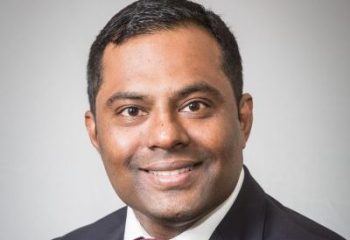
Director, Inflammatory Bowel Disease program, Lenox Hill Hospital, Northwell Health
Dr. Swaminath serves the director of the Inflammatory Bowel Disease Program at Lenox Hill Hospital. He is a practicing gastroenterologist with a clinical practice focused on treating patients with Crohn’s and colitis, a major contributor to the gastroenterology fellowship training program at Lenox Hill Hospital, and with an appointment as an Associate Professor in the School of Medicine at Hofstra University.
In addition to authoring numerous original clinical, translational, and review articles, Dr. Swaminath is a sought-after speaker in the field of inflammatory bowel diseases. He has served as a NYC Crohn’s and Colitis Foundation Chapter Medical Advisory Committee chair and currently participates as a member of the national scientific advisory Professional Education Committee. He has been featured on television news, and numerous print and online media. He also actively participates in speaking engagements such as Grand Rounds, patient societies, and teaching conferences.
Dr. Swaminath has a thriving multidisciplinary research program, involving both Phase III clinical trials to offer current edge biological therapy for patients with IBD unresponsive to standard therapy as well investigator initiated clinical projects in collaboration with the major medical centers in NYC.
Research focus
Dr. Swaminath’s areas of interest include, diet in IBD, determining cause of death in IBD patients using the city and state department of health database, studying the best treatments for IBD complicated by clostridium difficile, and management of iatrogenic injury in colitis patients. He has successfully served as a mentor to medical students, residents, MPH program graduates, and GI fellows with a strong track record of publication.
https://feinstein.northwell.edu/institutes-researchers/our-researchers/arun-swaminath-md
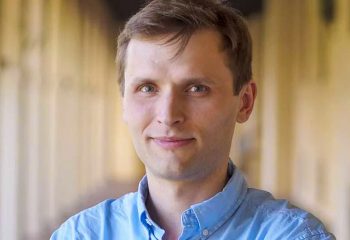
Assistant Professor, Department of Bioengineering, Rice University
Jerzy Szablowski works on technologies to control and monitor the brain with molecular precision. He developed contrast agents for MRI imaging, therapeutics that can be programmed to target different diseases, methods of noninvasive control of specific neural circuits in living organisms, and synthetic serum markers that can monitor brain activity with a simple blood test. In the Laboratory for Noninvasive Neuroengineering, he continues to innovate in developing methodologies for controlling and monitoring cells in one of the most complex systems in nature – the mammalian brain.
Prior to joining Rice, Szablowski received his B.S. from MIT in Biological Engineering, where he published three papers on MRI imaging of neuronal activity and bioelectronics. He then earned his Ph.D. in Bioengineering from the California Institute of Technology (Caltech) working in the field of molecular recognition and bioorganic chemistry in the laboratory of Peter Dervan, where he focused on the development of new small-molecule therapeutics for oncology that relied on sequence-specific binding to DNA. His postdoctoral work in Chemical Engineering at Caltech in Mikhail Shapiro’s lab led to the development of Acoustically Targeted Chemogenetics (ATAC), the first fully noninvasive neuromodulation method that also allows for control of neuronal cell populations with spatial, cell-type, molecular, and temporal precision.
Szablowski is a 2021 Packard Fellow, NARSAD Young Investigator, as well as recipient of the Bauer fellowship for graduate studies, received 3rd place worldwide in the iGEM Synthetic Biology competition (synthetic standard prize, best new application, best measurement), and received the BMES J&J Prize for excellence in biomedical research, and a Rice University Outstanding Undergraduate Research Mentor (2020). He has received funding from multiple sources, including David and Lucille Packard Foundation, Michael J. Fox Foundation for Parkinson’s Disease Research, DARPA, The G. Harold and Leila Y. Mathers foundation, The Welch Foundation, John S. Dunn Foundation, and others.
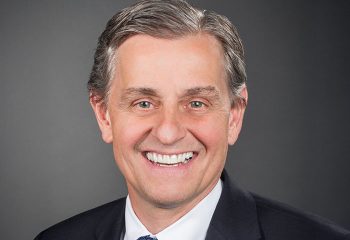
President & CEO, Feinstein Institutes for Medical Research, Northwell Health
Kevin J. Tracey, MD, is president and chief executive officer, Karches Family Distinguished Chair in Medical Research, and co-director (with Sangeeta Chavan) of the Laboratory of Biomedical Science at the Feinstein Institutes for Medical Research; executive vice president for research at Northwell Health; professor of molecular medicine and neurosurgery at the Donald and Barbara Zucker School of Medicine at Hofstra/Northwell; and president of the Elmezzi Graduate School of Molecular Medicine.
A neurosurgeon and physician-scientist, Dr. Tracey discovered the inflammatory reflex, a neural circuit by which the vagus nerve regulates immune responses and inflammation. This discovery provided the conceptual and scientific foundation for bioelectronic medicine, an emerging discipline that develops implantable devices modulating peripheral nerve activity to treat inflammatory and autoimmune diseases. His translational research enabled development of the first U.S. Food and Drug Administration (FDA)-approved bioelectronic medicine device for rheumatoid arthritis by SetPoint Medical. It is a vagus nerve stimulator approved by the FDA in 2025; Northwell Health performed the first implantation in a patient with rheumatoid arthritis later that year.
Dr. Tracey’s laboratory contributions to the molecular mechanisms of inflammation include co-discovery of the anti-inflammatory action of monoclonal anti-TNF antibodies, which established a pathway for development and clinical translation; and molecular mapping of the inflammatory reflex and cholinergic anti-inflammatory pathway. Among the most cited scientists in the world, he is an inventor on more than 120 United States patents and author of more than 400 scientific publications.
Dr. Tracey graduated summa cum laude and Phi Beta Kappa with a BS in chemistry from Boston College in 1979 and received his MD from Boston University in 1983. He completed neurosurgical training at the New York Hospital–Cornell University Medical Center and was a guest investigator at The Rockefeller University before joining the Feinstein Institutes in 1992, where he was appointed president and CEO in 2005.
He is a fellow of the National Academy of Inventors and the Royal Swedish Academy of Engineering Sciences, and recipient of the Hans Wigzell Research Foundation’s Science Prize. Additional honors include honorary doctorates from the Karolinska Institute and the University of Fribourg, and election to the American Institute for Medical and Biological Engineering. He is a fellow of the American Association for the Advancement of Science and a member of the American Society for Clinical Investigation and the Association of American Physicians.
Dr. Tracey is co-founder of the Global Sepsis Alliance to support sepsis caregivers, which now has more than 1 million members in 70 countries. He is the author of The Great Nerve: The New Science of the Vagus Nerve and How to Harness its Healing Reflexes (Penguin) and Fatal Sequence: The Killer Within (Dana Press), and he delivers lectures internationally on inflammation, the neuroscience of immunity and bioelectronic medicine.
https://feinstein.northwell.edu/institutes-researchers/our-researchers/kevin-j-tracey-md
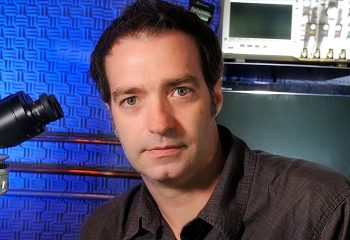
Professor, Department of Biomedical Engineering, University of Alabama at Birmingham
Dr. Tyler’s scientific and engineering efforts focus on developing products and solutions for noninvasive medical and consumer health devices, as well as neuromodulation solutions for national defense and security needs. These include methods and devices for cognitive and physical performance enhancement, as well as for treatment of mental health conditions. He is presently the co-founder of a small business working to develop and commercialize novel products to enhance brain health and cognition.
https://www.uab.edu/engineering/bme/people/faculty/jamie-tyler
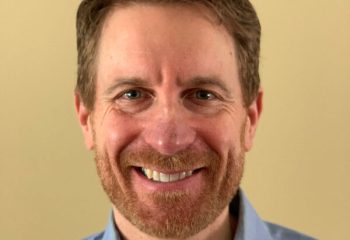
Executive Director, New York Department of Science, Technology and Innovation (NYSTAR)
Ben Verschueren is an innovative leader with expansive experience connecting technology to outcomes and effectively motivating and managing interdisciplinary teams. He is adept at managing portfolios of research and development programs across multiple industries, from program selection through conclusion. He is a trusted mentor and creative problem solver, able to work across organizational boundaries. Ben is passionate about enabling others, looking for ways to remove barriers and help empower innovators and his team.
Ben spent most of his career in varying roles with General Electric, from hands on research through managing strategic innovation portfolios at corporate and business unit levels. He established multiple innovation platforms and an incubator lab focused on funding a portfolio of projects building hands-on prototypes of exponential technologies applied to industrial ecosystems. He developed and nurtured multiple university and business partnerships and collaborations, from startups to large corporations. He also established GE Research’s formal IR&D portfolio, enabling deeper government collaboration and funding opportunities. He established himself as a trusted resource always willing to help others figure out how to navigate and creatively work within internal and external systems to secure funding, resources, and support for advancing their ideas.
Most recently, Ben was Director of Global Labs at Fluence, where he grew a global team and network of test facilities and labs responsible for finalizing next generation, grid-scale energy storage systems. Ben quickly became known for his ability to work across the organization to create highly collaborative teams and advance product development towards scalable and reliable solutions.
Ben graduated with bachelors’ degrees in computer science and electrical engineering from Brown University, and a master’s degree in computer science from Rensselaer Polytechnic Institute. He holds a black belt in Six Sigma.
Executive Director & VP, Life Sciences & Strategic Partnerships; Empire State Development
Adam brings more than 20 years of experience across the life sciences sector, spanning research, management consulting, and leadership roles supporting large-scale technical and operational transformations at global biopharmaceutical organizations. Most recently, his work has focused on advanced and personalized therapies, including the commercialization of cell and gene therapies.
Assistant Professor, Department of Biomedical Engineering, Johns Hopkins University
Bioelectronic devices are important as fundamental research tools for probing and understanding the brain with high spatiotemporal resolution, and as potential therapeutic avenues for treating brain diseases, disorders, and injuries. However, they face key challenges, such as achieving biomimicry at the molecular level, expanded multifunctionality at the microscale, and versatile programmability at the macroscale. The Yang Lab addresses these challenges by integrating bioelectronics, bioengineering, chemistry, materials science, and neuroscience. We aim to develop novel bioelectronics and biomaterials for brain-machine interfaces, regenerative medicine, and the study of human neural development and diseases.
Prior to joining Johns Hopkins University, Dr. Yang was a Wu Tsai Neurosciences Institute Interdisciplinary Postdoctoral Scholar at Stanford University, working jointly in the laboratories of Professor Sergiu P. Pașca and Professor Bianxiao Cui. She received her Ph.D. in Chemistry from Harvard University under the guidance of Professor Charles M. Lieber in 2020, and her B.S. in Chemistry from the College of Chemistry and Molecular Engineering at Peking University in 2015. Dr. Yang drew inspiration from biological systems and art forms to design and develop a series of bio-inspired and art-inspired bioelectronics. Her studies encompass neural probes for in vivo brain-machine interface, electronic scaffolds for brain repair, and platforms for detecting human genetic diseases and tracking human neural development using human brain organoids.
Professor, Institute of Bioelectronic Medicine, Feinstein Institutes for Medical Research
Stavros Zanos, MD, PhD, obtained his medical degree from Aristotle University in Thessaloniki, Greece. He served as a general medical practitioner and a military physician before training in internal medicine and cardiology and earning a PhD in neuroscience and physiology from the University of Washington School of Medicine, where he also served as senior fellow and instructor. He joined the Feinstein Institutes for Medical Research as an assistant professor in 2017. He is currently associate professor at the Feinstein Institutes and the Donald and Barbara Zucker School of Medicine at Hofstra/Northwell, as well as an adjunct professor at the University of Washington School of Medicine and the New York Institute of Technology. At Feinstein, he leads the Translational Neurophysiology Laboratory.
He is principal investigator in several federal-, foundation- and industry-sponsored projects on basic and translational neuromodulation, cardiovascular science, systems neuroscience and neural engineering. Dr. Zanos is the author of more than 70 peer-reviewed publications.
Dr. Zanos’ group studies the autonomic nervous system (ANS). Specifically, how the ANS is involved in immune function and physiological homeostasis in health and disease, and how neuromodulation of the ANS can treat conditions with cardiovascular, immune and metabolic dysfunction. His lab uses methods from autonomic neuroscience, neuroanatomy, neural engineering, cardiovascular medicine and neuroimmunology to tackle three main areas of research.
https://feinstein.northwell.edu/institutes-researchers/our-researchers/stavros-zanos-md-phd